

Sapienza Università di Roma
Sapienza University of Rome, founded in 1303 by Pope Boniface VIII, is one of the world’s oldest and most prestigious universities.
With over 122,000 students, including more than 11,000 internationals, it is the largest in Europe by enrolment.It offers over 300 degree programmes (more than 60 in English), 90 PhDs, 200 master’s courses, and 80 specialization schools across 11 faculties and nearly 60 departments. Sapienza is active in international networks such as the CIVIS European University Alliance and participates in mobility and cooperation programmes including Erasmus+ and joint degrees. Its main campus, the “Città Universitaria” in central Rome, hosts libraries, museums, laboratories, sports facilities, and student services. The university excels in research in physics, aerospace, archaeology, and cultural heritage, while promoting sustainability, digital transformation, and social inclusion in line with the UN 2030 Agenda.
The Department of Biology and Biotechnology “Charles Darwin” specializes in biodiversity research at molecular, cellular, organismal, and population levels, integrating fundamental biological sciences with evolutionary studies and biotechnological applications. It supports degree and doctoral programmes and fosters interdisciplinary collaborations with Natural Sciences, Environmental Studies, and the Faculty of Pharmacy and Medicine. The Plant Physiology and Biochemistry Laboratory has recognized expertise in plant physiology, molecular biology, cell wall biochemistry, plant pathology, genetic engineering, and plant transformation.
Role in the project
Sapienza University of Rome (UNIROMA) plays a central role in the OLinWASTE project as scientific leader. UNIROMA will coordinate the scientific activities and ensure the overall research excellence of the project. The team will organize and chair regular coordination meetings with all project partners to foster collaboration and alignment across work packages.
UNIROMA is responsible for leading Work Package 2 (WP2), which focuses on the use of isolated bioactive molecules derived from olive mill waste for the development of sustainable agricultural applications. Specifically, the Plant Physiology and Biochemistry Laboratory will be involved in the isolation and structural characterization of new biostimulants from OMW. The group will also assess the biological activity of these compounds, with a focus on their ability to trigger plant defense responses and improve plant fitness.
Furthermore, UNIROMA will contribute to the bioactivity evaluation and functional validation of the extracted compounds, supporting the identification of the most effective formulations for protecting plants against biotic and abiotic stresses.
In addition, within Work Package 7 (WP7), UNIROMA will actively support the dissemination, communication, and exploitation of the project results.
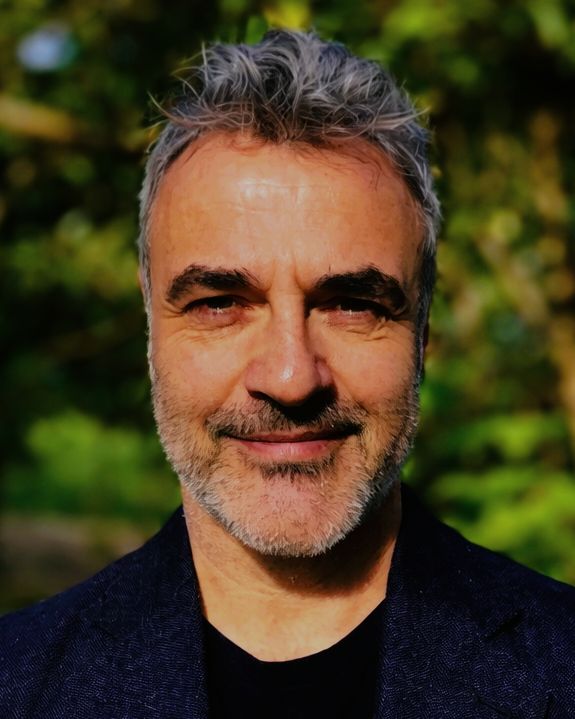
Associate Professor
Prof. Lionetti will be the scientific leader of OLinWASTE. He is an expert in plant cell wall biology, plant physiology, plant immunity, enzymology, glycomics, and biomass valorization. He will coordinate the project and actively contribute to dissemination and communication activities to maximize its impact. In addition, Prof. Lionetti will lead the research activities of Work Package 2 as task leader, focusing on the development and assessment of bioactive molecules from olive mill waste to be used as bioimmunostimulants and biopesticides
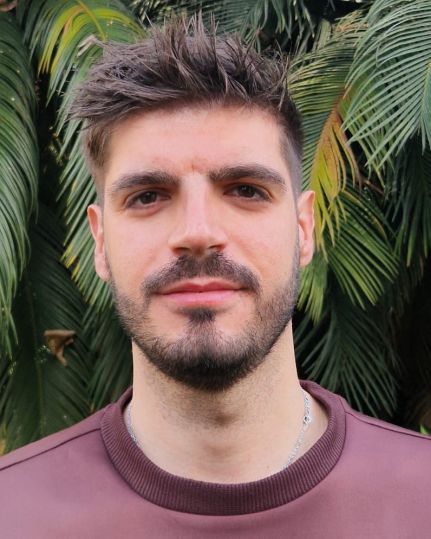
Postdoctoral researcher
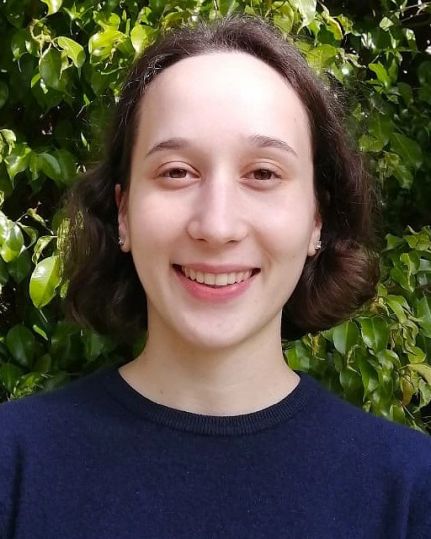
Giulia Caminada
PhD student
In the OLinWASTE project, she supports the collection and analysis of olive mill waste, contributes to the extraction and purification of bioactive molecules, and performs molecular characterisation of key fractions. She tests the biological activity of these compounds on plants, evaluating their potential as immunostimulants and biopesticides.
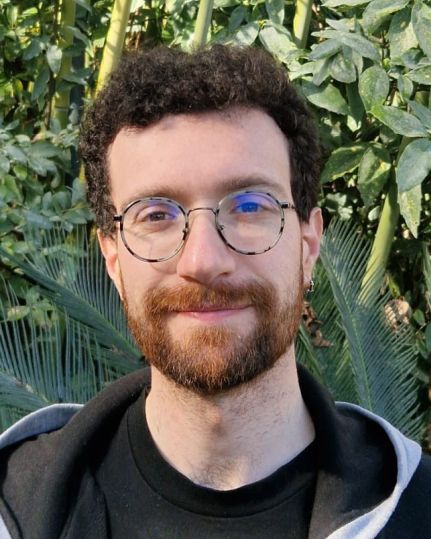
Postdoctoral researcher
Austrian Centre of Industrial Biotechnology (acib)
acib is an international competence centre, developing new, environmentally friendly, economically and technically advanced processes for the biotechnological, pharmaceutical and chemical industry – all of them modelled on nature. acib is bridging the gap between academic research and producing industry. Acib provides it’s partners the possibility to translate scientific results into concrete processes and products by using scientific know-how, academic infrastructure or industrial networks in a single contract framework. Our platform offers tailor-made solutions for our stakeholders from Academia, Industry and Investors.
Role in the project
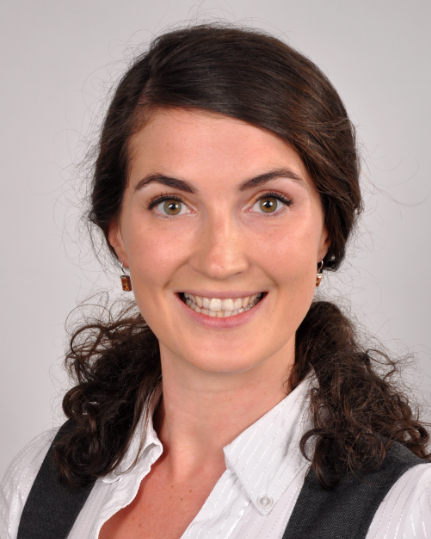
Senior Scientist
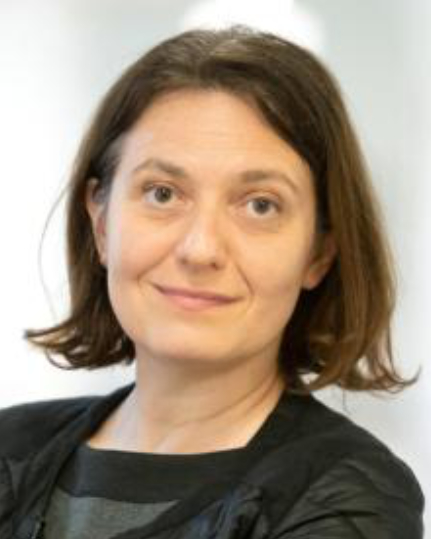
Assoc. Professor
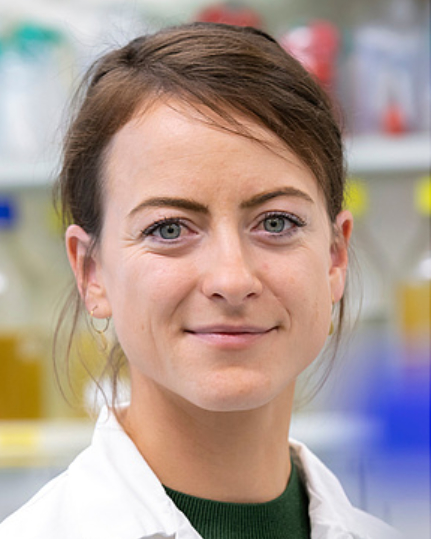
Assoc. Professor
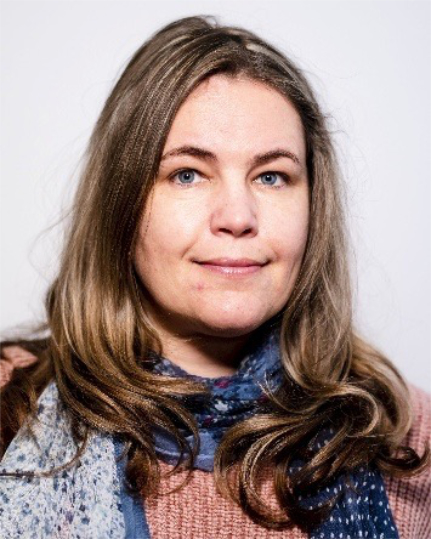
Senior Scientist
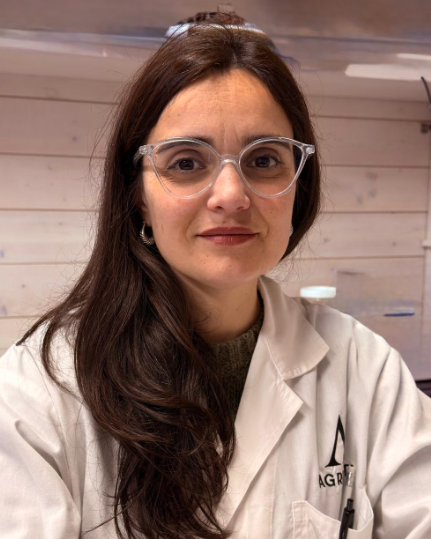
Agrolio
Role in the project
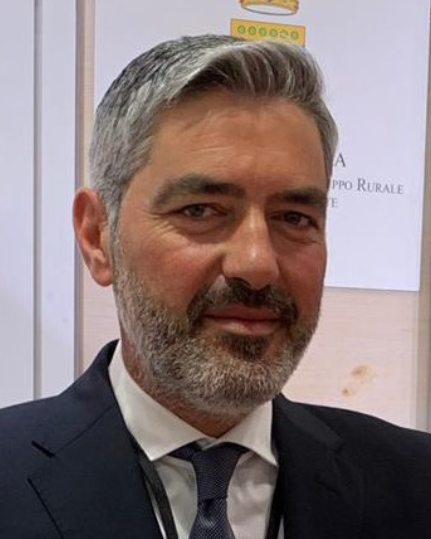
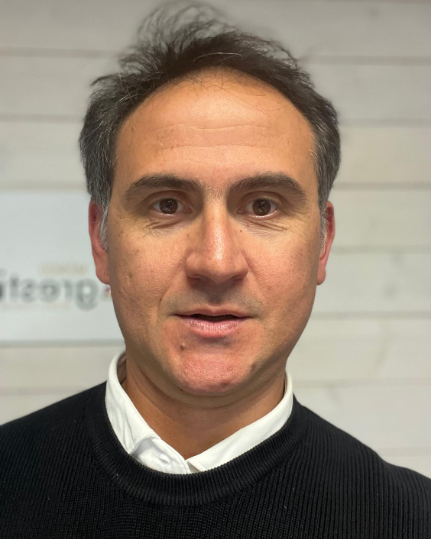

CLIC Innovation
Role in the project

Project Expert, Bioeconomy

Head of Circular Economy
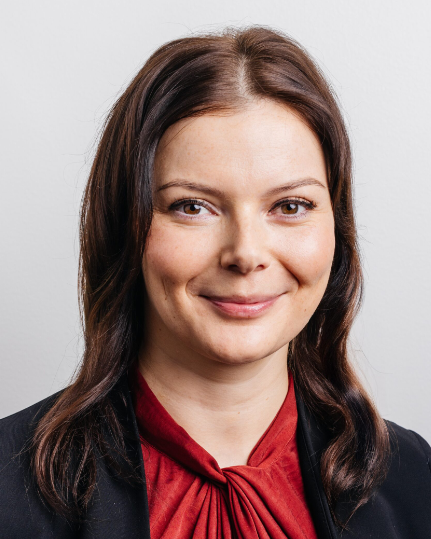
Research Institutes of Sweden (RISE)
Role in the project

Senior scientist, lifecycle assessment, risk assessment, SSbD
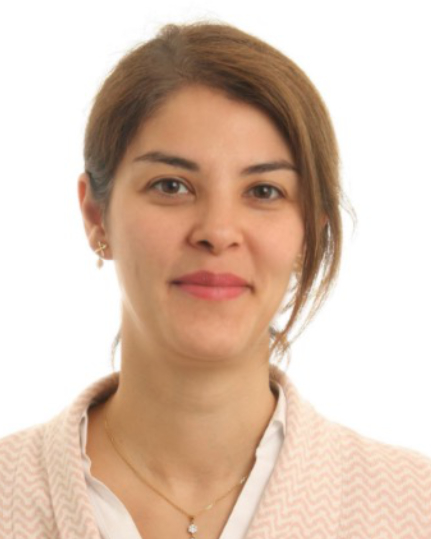
Senior scientist noise mitigation

project leader Heat recovery

William Mackintosh
project leader
process integration

Senior project leader techno-economic assessment
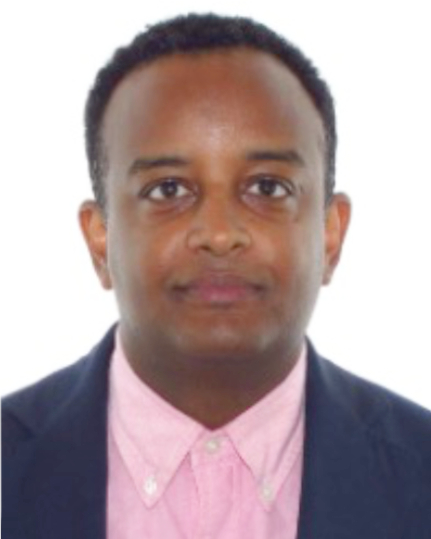
Senior scientist
University of Padua
The University of Padua was established in 1222, after a group of students and teachers decided to come here from Bologna. They set up a free body of scholars, who were grouped according to their place of origin into nationes, in which students approved statutes, elected the rettore (rector, or chancellor) and chose their teachers, who were paid with money the students collected. Defending freedom of thought in study and teaching became a distinctive feature which today lives on in the University motto: Universa Universis Patavina Libertas.
The University has 32 departments dealing with many disciplines and scientific fields. Two depts are deeply involved in Olinwaste.
The Department of Agronomy Food Natural resources Animals and Environment (DAFNAE) was founded in 2012 by the fusion of the teaching, technical and administrative staff of the Departments of Environmental Agronomy and Crop Production, Agricultural Biotechnology and Animal Science. The „mission“ of the Department is to promote the quality of human life, the competitiveness of the agri-food sector and the sustainable use of natural resources, biotic and abiotic, through the production and dissemination of knowledge on the management and improvement of plants, animals, microorganisms and soil for the production of quality food and biomass, ensuring the conservation of ecological systems, the protection of cultivated plants and preservation of the environment and biodiversity.Assuming that in the agro-food industry the close connections between the environment, crop and animal production, biomass and food require integrated and interdisciplinary approach, vision and methods, the Department DAFNAE develops excellent research and teaching activities in several fields of the agricultural sciences, including the science and technology of plants, animals and microbial organisms, crop and livestock management systems, environmental sustainability, food technology and agricultural biotechnology. The main novelty in the cultural project of the department is to study the environmental and agri-food sectors with an innovative and comprehensive approach, in order to consider and exploit the multidisciplinary interconnections that exist within individual scientific areas and among different steps of the production/transformation chains. In particular, we are organized in a logical and strategic system of units based on scientific disciplinary sectors and aggregations.
The Department of Industrial Engineering (DII) of the University of Padua represents a center for research, training and skills in numerous areas of Engineering including Aerospace, Chemical, Electrical, Energy, Materials and Mechanical Engineering. The Department’s mission is to promote the innovation of industrial engineering and competitiveness through excellence in research and training. Founded in 2012 by the union of six independent departments, the DII hosts 66 research laboratories and provides four First Level degrees, seven Second Level degrees, two Doctoral programs and several Master courses. The staff counts over 500 among professors, researchers, doctoral students and technical and administrative staff. Approximately 50% of revenue derives from collaborations with industries and research centers; in addition, numerous spinoff companies bear witness to the entrepreneurial ferment of DII.
Role in the project
UNIPD will take the lead in WP3, which mainly focuses on the sustainable production of PHAs from both liquid and gaseous waste streams. UNIPD will lead also the activity for the development of biotech and engineering solutions to deal with the odours management (WP4). Additionally, UNIPD will provide support within WP6 and for the dissemination efforts of WP7.


Fellowship holder
Fellowship holder
Marco Schiavon
Associate Professor


Universidad de Burgos
This academic offering is primarily aimed at enhancing the employability of its graduates, through internship agreements—both curricular and extracurricular—with the region’s strong business and industrial network, as well as with international companies. The university also provides comprehensive student guidance services to support students throughout their academic journey. Internationalization is another key hallmark of the University of Burgos. This enables nearly all students to complete part of their studies at internationally renowned universities, thanks to numerous ERASMUS and UBU-GLOBAL agreements (in Asia and the Americas), as well as international cooperation scholarships around the world.
Located in a medium-sized, welcoming city with a strong business ecosystem that makes it the main industrial hub of Castilla y León, the University of Burgos offers state-of-the-art facilities, laboratories, workshops, libraries, its own television and radio stations, as well as a wide range of cultural and sports activities. UBU has 67 research groups in 5 main research fields, and the Industrial and Environmental Biotechnology (BIOIND) research group, with an extensive experience in the valorisation of different agri-food by-products and wastes, is the group involved in the OLinWASTE project.
Role in the project
Professor of Chemical Engineering
Ramon y Cajal Researcher
Postdoctoral researcher
University of Surrey
School of Chemistry and Chemical Engineering (SCCE) brings together two closely related disciplines – chemistry and chemical engineering – opening unique opportunities in both teaching and research. In the latest UK Research Excellence Framework (REF 2021), we ranked 15th in the UK for ‘research power’ in engineering. The University ranks 33rd in the UK for research quality. The research in SCCE is strongly interdisciplinary and ranges from fundamental science to commercialization of technological innovations. Successful research collaborations have been developed across the School, the University and with other academic institutions and industry in the UK and worldwide.
In 2025, the University launched a Surrey Circular Economy Group (SCEG), which is a unique, inclusive, interdisciplinary team that combines systems thinking with engineering and digital innovations to create new circular value chains for an equitable society. The team will form a critical mass with joint voice allowing thinking big to create the excellence of research around circular economy at University of Surrey, with the ambition of becoming a top circular economy group in the UK and internationally. SCEG is part of £25M worth portfolio of projects ranging from national centers, hubs, prestigious Fellowships, and standard projects, funded by EPSRC, Innovate UK, Royal Society, Royal Academy of Engineering, European Commission, and industry. Internationalization is another key hallmark of the University of Burgos. This enables nearly all students to complete part of their studies at internationally renowned universities, thanks to numerous ERASMUS and UBU-GLOBAL agreements (in Asia and the Americas), as well as international cooperation scholarships around the world.
Located in a medium-sized, welcoming city with a strong business ecosystem that makes it the main industrial hub of Castilla y León, the University of Burgos offers state-of-the-art facilities, laboratories, workshops, libraries, its own television and radio stations, as well as a wide range of cultural and sports activities. UBU has 67 research groups in 5 main research fields, and the Industrial and Environmental Biotechnology (BIOIND) research group, with an extensive experience in the valorisation of different agri-food by-products and wastes, is the group involved in the OLinWASTE project.
Role in the project
The role of University of Surrey in the OLinWASTE project is to develop a system digital twin and an online platform in WP5, incorporating with multi-criteria assessment functionality to support decision making. Based on hierarchical model developing approach, corresponding process-level digital twins, after model training and validation in WP2 to WP4, will be integrated into system-level mass and energy balances to develop a system digital twin, which will be implemented in an online platform, continuously updated by new data and integrated with multi-objective optimization algorithms to evaluate interdependent metrics such as material circularity, system efficiency. By collaborating with WP7, economic feasibility and carbon footprint of the waste treatment system will also be evaluated.
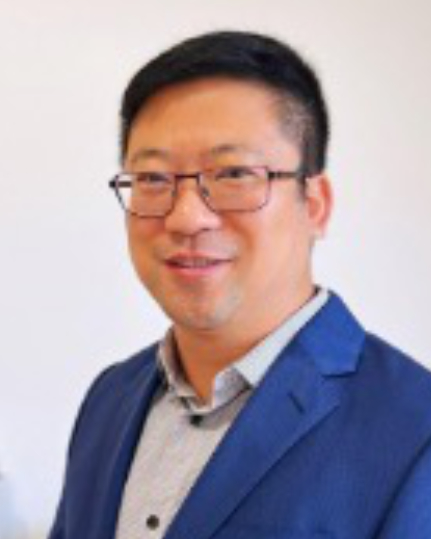
Lecturer in Chemical Engineering
Universidade di Aveiro (UAveiro) through its Associated Laboratory CICECO–Aveiro Institute of Materials
Universidade de Aveiro
CICECO – Aveiro Institute of Materials
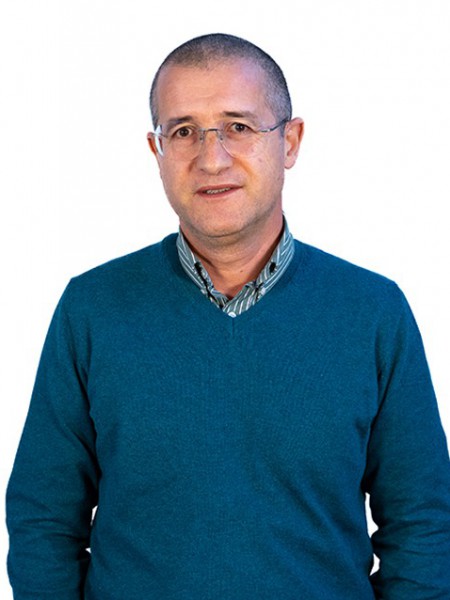
Full Professor